
Bringing Roebuck Bay into Broome Schools and Students to visit the Bay!
One of the things we have really wanted to grow during our time at Broome Bird Observatory is our connection with local schools and young people.
BBO welcomes visitors from all over Australia and the world, but we also want young people growing up in Broome to have opportunities to experience Roebuck Bay, learn about its wildlife and understand why this place is so important.
With support from the Western Australian Government’s State NRM Program, we have been able to expand our education and outreach work during 2026. This has allowed us to visit more classrooms, help local students come out to BBO and develop activities that make shorebird migration, habitats and conservation easier to understand.
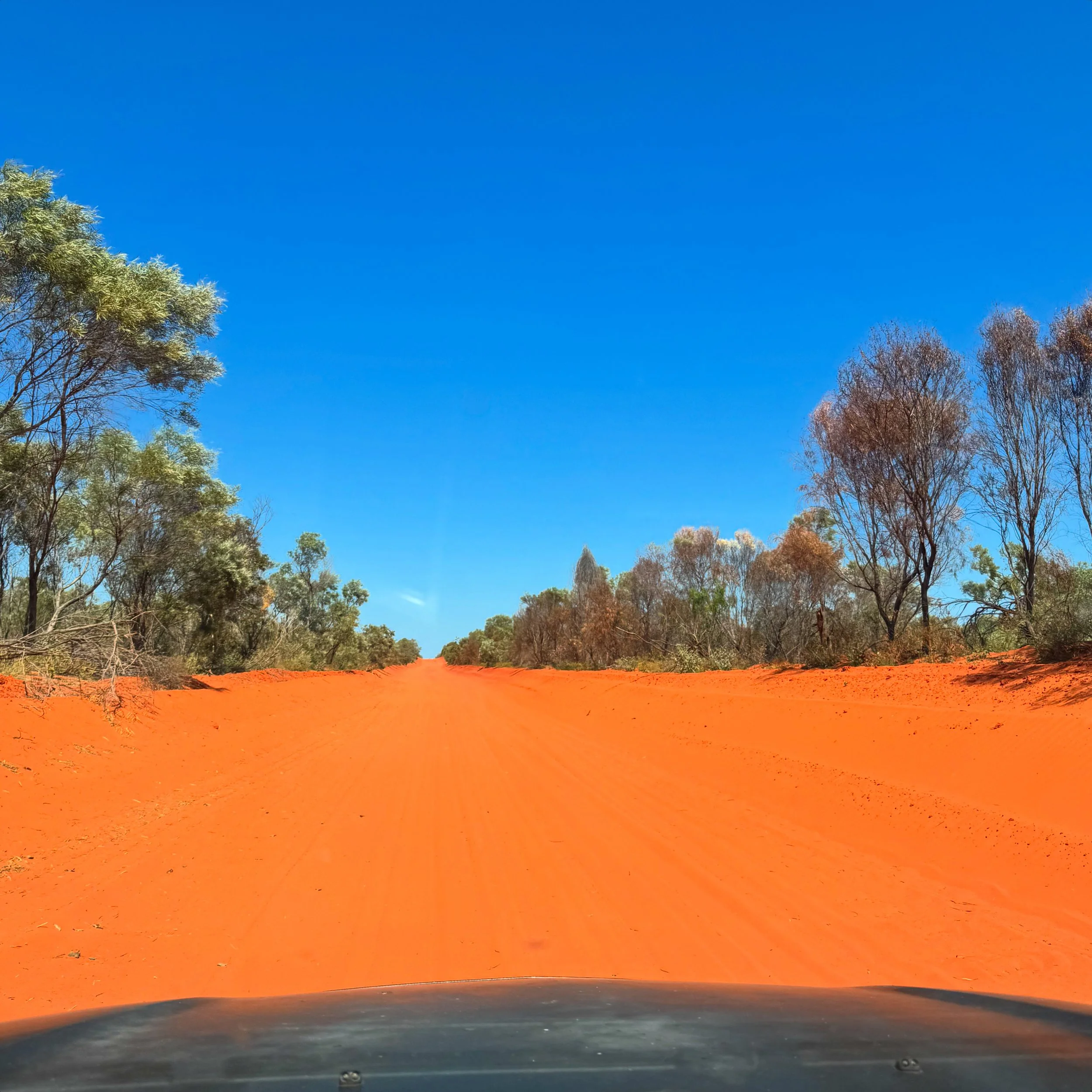
When we first contacted Broome schools, the response was much bigger than we expected, with around 25 classes expressing an interest in taking part. The grant has helped us provide bus transport for eight classes—an important part of the program, because transport down Crab Creek Road can be one of the biggest barriers to getting students out of the classroom and into nature.
Becoming a migratory shorebird
One of our favourite activities has been the shorebird migration game.
Students become migratory shorebirds travelling between Roebuck Bay, the Yellow Sea and their Arctic breeding grounds. At each location, they must find and collect enough food to survive the next part of their journey and, once they reach the Arctic, enough energy to breed.
The first journey is usually noisy, competitive and a lot of fun. Then we introduce some of the real challenges migratory shorebirds face. What happens when an important feeding area is lost to development? What happens when a natural disaster affects one of the few places where the birds can stop and refuel?
When the Yellow Sea stopover is removed from the game, the students quickly discover how difficult—or impossible—the journey becomes.
We can explain the East Asian–Australasian Flyway using maps and slides, but the lesson feels very different when students are trying to complete the journey themselves. It helps them understand that protecting shorebirds in Roebuck Bay is only one part of the story. These birds need a chain of safe, healthy habitats stretching across many countries.
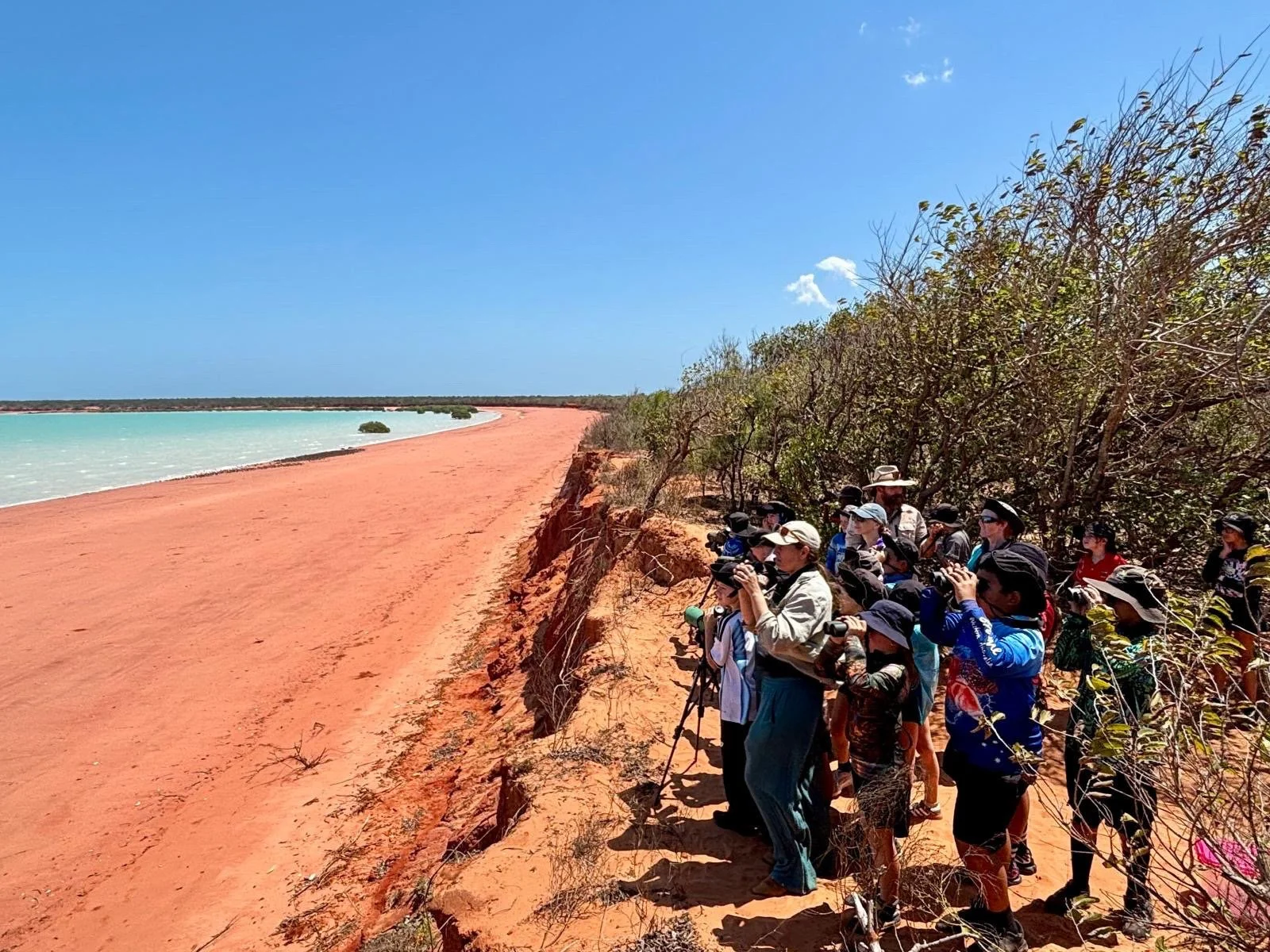
For some students, it is their first time looking through a telescope or seeing a shorebird closely enough to notice the shape of its bill, the length of its legs or the way it feeds. Those small moments of discovery are some of the most rewarding parts of the program for us.
Growing young shorebird advocates
Our school visits have also helped lead into the extra curricular- Student Shorebird Ambassador Program for young people aged 10 to 17
Over several sessions, the students are learning more about shorebird identification, migration, feeding behaviour, habitats and the pressures birds face around Roebuck Bay. They are spending time in the field, keeping journals and developing the knowledge and confidence to share what they learn with others.
Taking learning outside
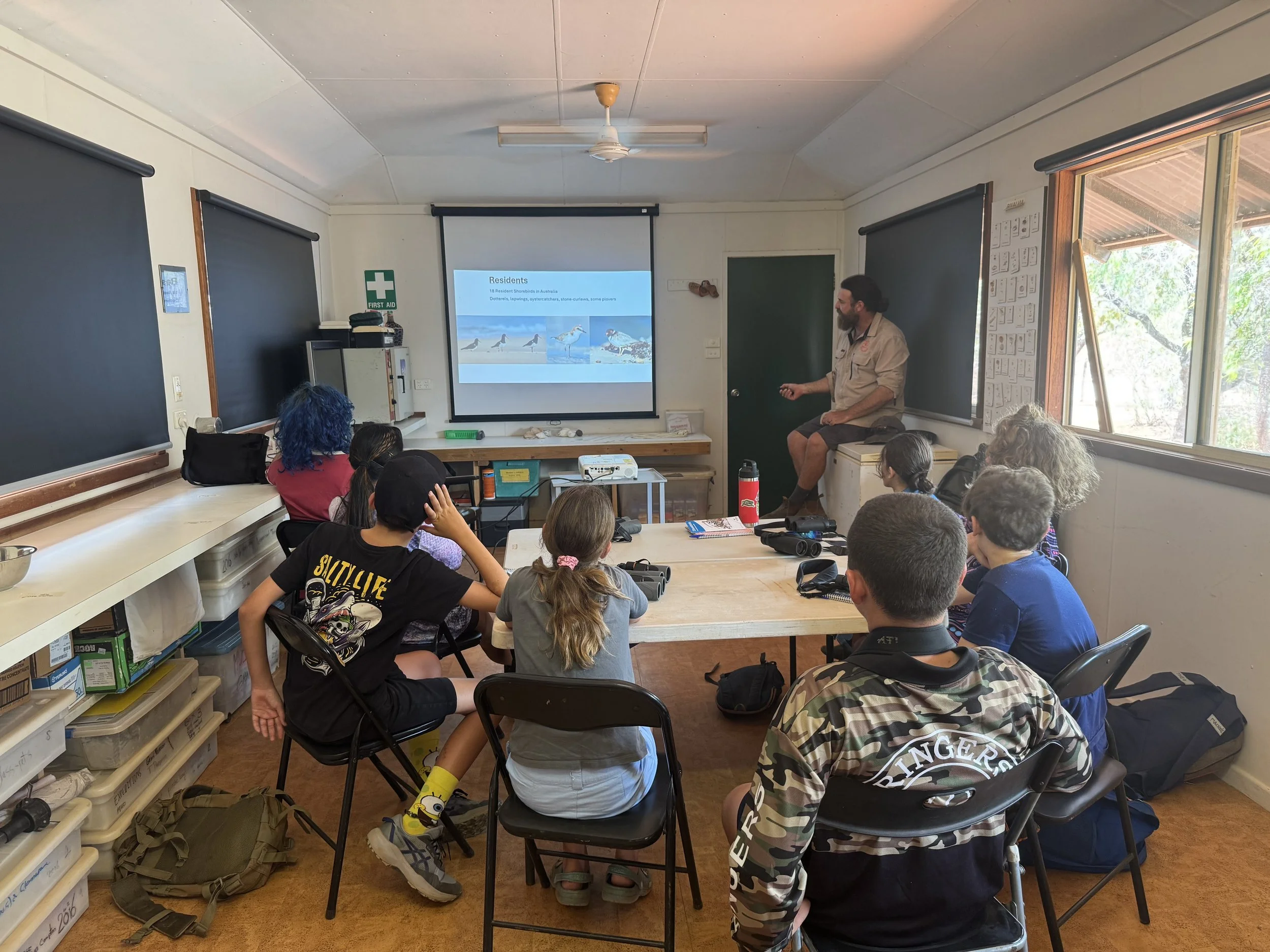
The classroom visits introduce students to shorebirds, migration Building off the great work of our Education Intern Juli in 2025, we have been able to match learnings to different curriculum goals in each class. We have tried hard to pair each excursions with a classroom visit before hand, we then give them an opportunity to see these ideas come to life.
At BBO, students can look across the mudflats, use binoculars and telescopes, observe birds feeding and roosting, and begin to recognise some of the species that travel thousands of kilometres to reach Roebuck Bay.
We have also explored the connections between the Bay’s mudflats, beaches, mangroves, bushland and wetlands. Each habitat supports different wildlife, but none exists in isolation. Changes or disturbance in one place can affect birds and other animals elsewhere.
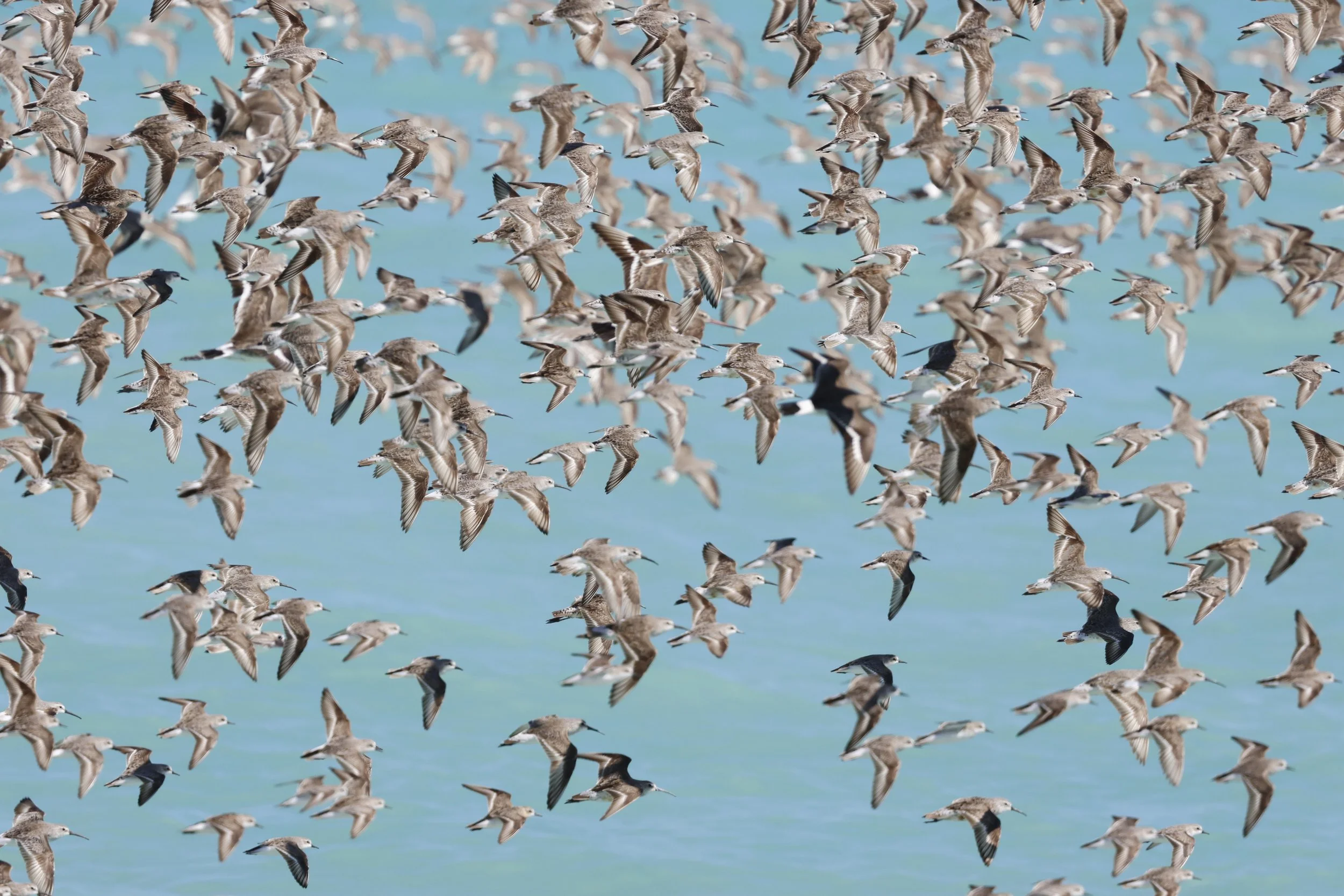
The aim is not simply to teach students the names of different birds. We want them to feel that Roebuck Bay belongs in their lives and that they can play a part in looking after it.
More than a school excursion
Education has always been central to the purpose of Broome Bird Observatory. For us, a successful school visit is not measured by how many bird names students remember at the end of the day.
It might be a student recognising that a bird needs somewhere safe to rest at high tide. It might be understanding why repeated disturbance matters, asking a thoughtful question about development or noticing how different habitats connect. Sometimes it is simply discovering that birdwatching is much more interesting than they expected.
Best quotes from some of the students while watching shorebirds “This is the most amount of birds I have ever seen in my life” - year 4 student
While watching the birds fly this was another great quote “ This is truly magnificent!”
We hope these experiences create a lasting connection with Roebuck Bay and encourage young people to keep observing, questioning and caring for the natural places around them.
A huge thank you goes to the teachers, school staff, volunteers and BBO team members who have helped make the program possible—and, of course, to all the students who have joined in with such curiosity and enthusiasm.
We look forward to sharing more stories from the program as it continues.
This project is supported by funding from the Western Australian Government’s State NRM Program.